Water cycle facts
Did you know? The amount of water on Earth stays the same. Thanks to the water cycle, the water we use today is the same water that has been around for billions of years.
- The water cycle is the continuous movement of water between the atmosphere (air), the land and the oceans
- The main stages of the water cycle are evaporation, condensation and precipitation
Did you know: The water cycle is completely solar powered? It's true! The sun provides the energy that drives the entire water cycle.
- Water can change between liquid, vapour and ice as it moves through the water cycle
- Plants release water vapour into the air through a process called transpiration
- Clouds form when water vapour cools and condenses into tiny droplets
- Precipitation can fall as rain, snow, sleet or hail depending on temperature
Did you know: Not all rainfall reaches rivers? Some rain soaks into the ground and some evaporates and returns to the atmosphere.
- Groundwater is part of the water cycle and can take years, decades or even longer to move
- The water cycle helps regulate Earth’s temperature and its climate.
Did you know: water in the cycle is constantly reused? That means the water you drink could be millions of years old! It might have once been part of a river, or a glacier or an ocean that dinosaurs swam in.
Why water matters
-
Less than 1% of the world’s water is easily accessible fresh water
-
Water supports entire ecosystems, the agriculture that provides our food, countless industries and our everyday life
-
Climate change affects rainfall - that means our supply of water is becoming less predictable
-
Population growth and warmer temperatures are increasing the demand for water
Quick water facts for Melbourne
-
Melbourne supplies around 1,250 million litres of drinking water every day to more than 5 million people
-
Melbourne’s system can move water between reservoirs depending on demand
-
The water supply system includes 10 major reservoirs, 13 treatment plants and over 1,100 km of pipelines
-
Your water might travel hundreds of kilometres before reaching your tap
-
Most of Melbourne’s drinking water comes from protected forest catchments, meaning it needs very little treatment
-
The city’s water is sourced from the Yarra, Thomson, Bunyip and Goulburn river systems
-
On average, people in Melbourne use about 169 litres of water per day
-
The city uses enough water each day to fill hundreds of Olympic pools
Did you know? Healthy forests help filter water naturally, improving water quality before it even reaches reservoirs.
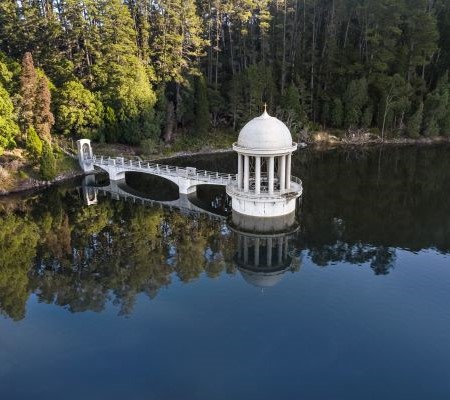
Where does Melbourne’s water come from?
Melbourne’s water begins its journey in vast, mostly protected catchments — think dense forests that act like giant natural filters!
-
Around 80% of Melbourne’s water comes from protected catchments with minimal treatment required
-
The remaining water is treated at plants like Winneke and Tarago before reaching homes
-
Water is stored in reservoirs such as Silvan, Cardinia, Greenvale and Sugarloaf
-
Reservoirs are interconnected, so water can be moved across the network depending on demand
How the water system works
Don't think of Melbourne’s system as a pipeline. Try and picture it as a living machine with lots of moving parts!
-
Water travels through over 120 monitored flow points across the network
-
Water gets distributed to retailers like South East Water, Yarra Valley Water and Greater Western Water
-
These retailers then supply homes and businesses across Melbourne
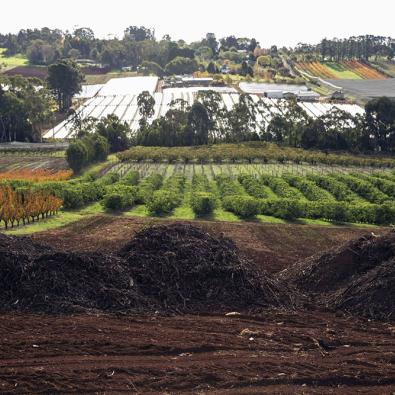
How much water does Melbourne use
Melbourne’s water use is a balancing act between our climate, our population and how we all behave with our water use.
-
Daily water use recently reached 169 litres per person
-
The total demand across the whole water system can be more than 1.4 billion litres per day in warmer months
-
Warmer weather and population growth are the biggest factors of increased demand
Did you know: If every Melburnian saved just 10 litres a day, that would be over 50 million litres saved daily.
Rainfall and water supply
Did you know? More rain doesn’t always mean more water in our storages. A lot of rain is absorbed by soil, used by plants or evaporates. And that’s for the rain that falls inside our catchment areas – it’s not unusual for the city to get heavy rain, but surrounding areas to remain dry.
-
Inflows to Melbourne’s storages were 36% below the long-term average in 2024–25
-
Some seasons have seen 50% less water captured than average
-
The amount of water we have stored can drop quickly during our dry periods, even with normal rainfall in the city
-
Large-scale infrastructure like desalination plants is sometimes needed to support demand