Learn about what happens to your wastewater when you flush the toilet or pour something down the sink - it doesn't just disappear!
Where does wastewater go?
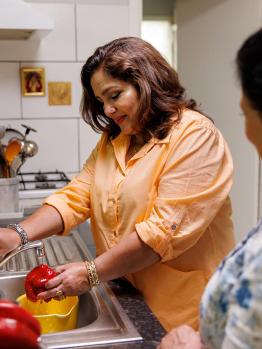
A reliable sewerage system is essential to our way of life in Melbourne, helping make our city a great place to live. This system also allows us to treat and recycle sewage to help take the pressure off our precious drinking water.
Sewage is around 98% water
It’s easy to forget about water once it’s flushed down your toilet or drain. This water is known as sewage.
And because sewage contains everything that goes down the drain when you wash your dishes, bathe, throw on a load of washing or flush the toilet, it’s actually around 98% water!
Sewage can be recycled
Because of its high water content, we’re able to turn sewage into recycled water.
Not all water in Melbourne needs to be drinkable, so we can use recycled water to water parks, sporting fields and gardens. This helps take pressure off our precious drinking water supplies.
Where does recycled water get used?
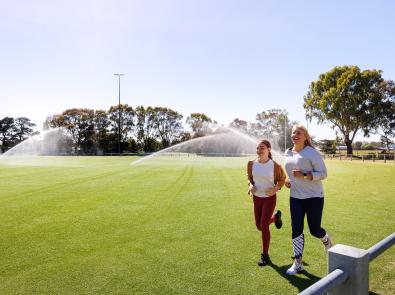
After "Class A" recycled water is produced at either the Eastern or Western Treatment Plant, Melbourne Water supplies it to:
- Greater Western Water
- Southern Rural Water
- South East Water
- and Trility
These organisations then distribute it through their networks to their customers.
As a general rule, the closer the use is to the main treatment plant the easier it is to access recycled water.
Areas currently using recycled water include the:
- Werribee Irrigation District
- Werribee Park Tourism Precinct — including the golf club, zoo and mansion
- Werribee Employment Precinct — a 900-hectare site for research and learning institutions
- Werribee housing estates
- Eastern Irrigation Scheme, Cranbourne — supplies more than 80 customers with water for horticulture, irrigation and industrial processes
- Cranbourne housing estates.
- Logis Industrial park.
- Dingley Recycled Water Scheme (under construction).
- Other open space irrigation and food producers on the Mornington Peninsula
To find out if you can access recycled water, contact your local water retailer.
Stormwater isn't sewerage
There’s a difference between the water that goes down the pipes inside your house (sewerage) and the water that goes down the drains outside of your house (stormwater). When it rains, some water naturally seeps into the ground. To keep the rest of it away from properties, the drainage system channels it into rivers and creeks – and eventually into the bays.
Where do the drains in your street end up?
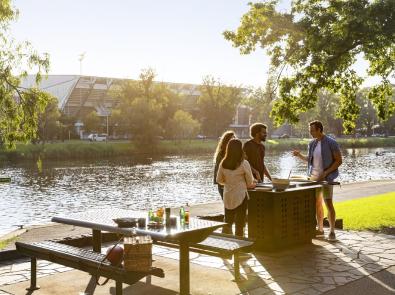
Stormwater pipes carry water that runs off roads, roofs and other paved surfaces. This water carries pollution and litter with it, travelling into local rivers and creeks and eventually the bay.
Unlike sewage, stormwater is often untreated – making it damaging to the environment. This impacts our wildlife, birds and platypuses that live in our waterways.
Our iconic rivers and creeks are the lifeblood of Melbourne’s natural landscape and are part of what makes living here great. We all have a responsibility to keep our rivers and creeks clean and healthy.
If you’d like to learn more about Melbourne’s drainage system and the journey of stormwater through it, click here.