Melbourne’s sewerage system
Out of sight. Essential to life.
Melbourne is growing, and so is the amount of wastewater we produce every day.
Beneath our streets, more than 400 kilometres of pipes and sewers work quietly to carry and treat what we flush and put down the sinks inside our homes. By 2030, nearly 6 million people will rely on our sewerage system every day.
How our sewerage system works
Ever wondered what happens after you flush? Wastewater flows through a hidden network of pipes beneath our streets, which play a vital role in keeping our city clean and healthy.
From waste to resource: Western Treatment Plant
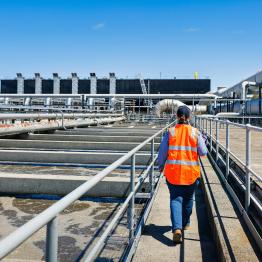
Roughly the size of Phillip Island, the historic Western Treatment Plant in Werribee is a world leader in environmentally-friendly sewage treatment.
The plant uses a low-cost, low-energy process to treat more than 200,000 million litres of sewage, or more than half of the sewage produced in Melbourne each year, turning waste into recycled water.
Learn more about the Western Treatment Plant
Protecting our natural environment
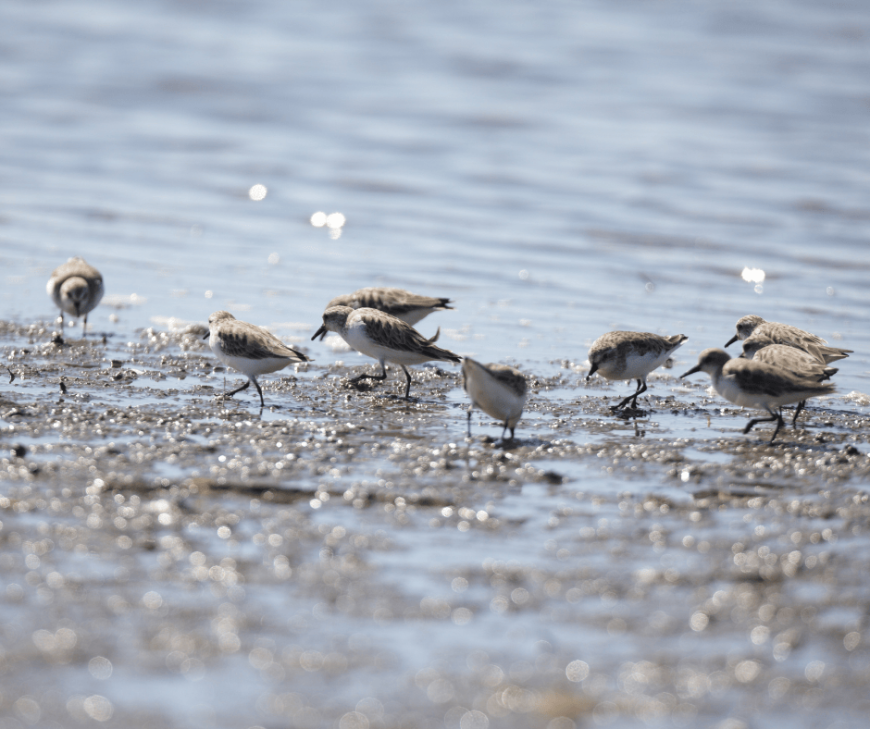
At the Western Treatment Plant, we purposefully manage our nutrient-rich lagoons, to create an ideal habitat for birds and other wildlife.
Resilient and sustainable sewerage infrastructure
We’re planning ahead to ensure Melbourne’s sewerage infrastructure can withstand future challenges.
We’re investing in advanced technologies to reduce future repair and replacement costs, ensuring we maintain a strong, sustainable sewerage system for years to come.