What are wetlands?
Wetlands are areas of land that spend either all of the year or part of the year covered by water. There are both natural and man-made wetlands across Victoria and they can be fresh or salty, flowing or still.
Wetlands provide habitat for native plants and animals, help improve water quality and play an important role in managing floods. Waterways and wetlands are connected parts of our natural environment. Waterways move water through the landscape, while wetlands help store and filter it.
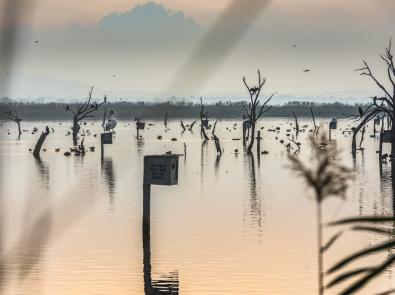
Some examples of wetlands are:
- lakes
- swamps
- floodplains
- mudflats
- estuaries
Natural wetlands
Wetland water is rich in nutrients, which attracts and sustains many different types of plants and animals. Each wetland has a unique ecosystem that provides:
- food and water
- habitat and breeding grounds
- places to shelter during drought
Several wetlands across Melbourne are home to endangered species.
A Ramsar wetland is a wetland that has been recognised as internationally important. Ramsar listing acknowledges the global significance of a wetland and supports efforts to protect it for future generations.
These 2 sites we manage are Ramsar wetlands:
Man-made or constructed wetlands
Some wetlands are purpose built to remove harmful pollutants in stormwater before they reach our rivers, creeks and bays.
These constructed wetlands can also:
- reduce riverbank erosion by slowing the flow of water entering rivers or creeks
- lessen the impact of floods by storing excess water
- provide space for recreational activities like bushwalking and birdwatching
How constructed wetlands work
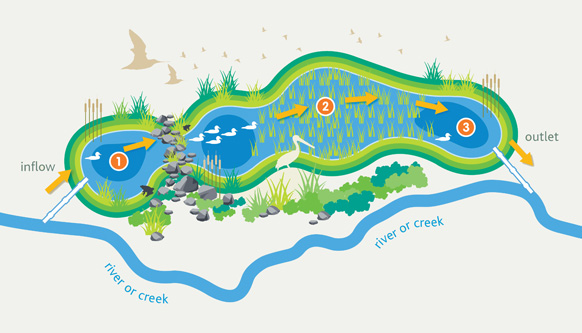
- Water from rivers or creeks is directed into the wetland, and slowly travels through several small ponds. This lets litter, sediment and other large pollutants sink to the bottom.
- Water is filtered by micro-organisms and algae that grow on wetland plants. They remove nutrients, especially nitrogen, to help reduce algal blooms in Port Phillip Bay.
- After 1 to 3 days in the wetland, cleaner water is released back into the river or creek and water levels return to normal.
Looking after wetlands
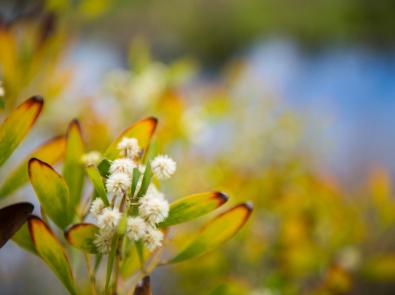
We manage wetlands differently depending on their main purpose; animal habitat or stormwater treatment.
To protect rare and threatened species that live in our wetlands, we:
- plant native plants
- remove weeds
- control pest animals
- manage threats from stormwater pollution, salty groundwater and changes to the natural water cycle
We also need to maintain man-made wetlands so they continue working well. This involves removing rubbish and sediment that builds up over time, and replanting vegetation.
Many constructed wetlands also attract birds, frogs and mammals, and are valued by their local community for their amenity. Where possible, we try to balance these needs — for example, delaying maintenance activities to accommodate frog breeding cycles.