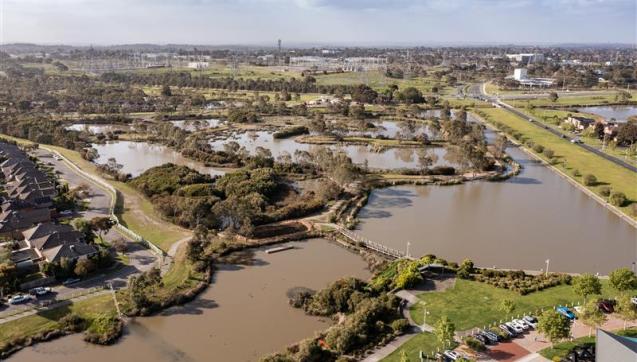
Rivers and creeks provide natural spaces for people, plants and animals. Get to know some of Melbourne’s major waterways and the vital role they play.
What is a waterway?
Waterways are the rivers, creeks and streams that carry water through the environment. They support native plants and animals, help manage water across the landscape and provide places for people to enjoy nature.
Waterways and wetlands work together as part of the same natural water system. Waterways such as rivers and creeks move water through the landscape, while wetlands help store, filter and slowly release water. Together, they support native plants and animals, improve water quality and help reduce the impacts of flooding.
At Melbourne Water, we manage 25,000 kilometres of waterways across Greater Melbourne. We also work with our partners to manage 33,000 hectares of surrounding open space - that's around 13,000 MCG ovals!
Why do waterways matter?
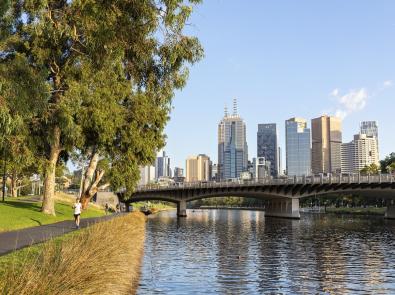
Our rivers and creeks provide habitat for more than 1,800 species of native plants and 600 species of native animals. They also supply water to homes and businesses, including the farms that grow our food, and are enjoyable places to visit.
The plants and animals that rely on rivers live together in a delicate balance. However, this can be upset by human activities that change a river’s natural state, sometimes with widespread and destructive results.
Key threats to our rivers include:
- drought and climate change
- taking water for agriculture, businesses and homes
- using more land for farming or building on — this increases the amount of surfaces like roofs and roads that cannot absorb water, which then washes litter and pollutants into our drains and creeks (stormwater pollution)
These threats make life hard for plants and animals, due to:
- habitat loss
- poor water quality
- erosion
- unnatural water temperature or flows
- barriers to migration
- flooding — which impacts people as well.
Waterways & wetlands near me
You can discover the history, geography and wildlife of Melbourne’s key rivers and wetlands with our online guides:
How we maintain waterways
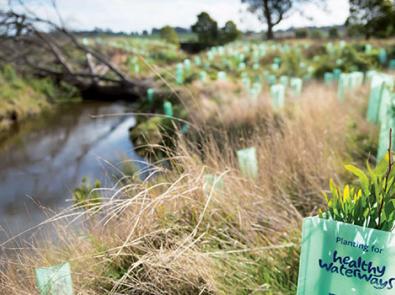
We can’t restore every river and creek to its natural state, but we can help protect and improve them. Each year we undertake a significant program of works to achieve this, while balancing the needs of the community, costs and safety.
Our work includes:
- cutting grass
- controlling weeds
- planting native vegetation
- removing litter and debris
- assessing waterway condition (including safety and all abilities access)
- releasing water into rivers to mimic natural river flows (environmental flows)
- making sure councils and land developers include techniques in new houses that capture and clean stormwater (water sensitive urban design)
We also monitor and research waterways to get accurate information that guides our activities, and shows how well these are working. It can take a long time for the positive effects to show (up to 50 years for riverbank revegetation) but we know our works make an impact.
How you can help
There are many ways you can care for your local waterway, such as:
- counting frogs
- building a raingarden
- applying for funding to help with a river health project.