 Media release
Media contact
One year on from Melbourne Water’s launching its Litter Prevention Toolkit, eight councils and community groups across the city have been awarded more than $34,000 in funding to help keep local neighbourhoods, waterways and Port Phillip Bay free from litter.
An estimated 2.5 billion pieces of litter flow into Port Phillip Bay each year. Plastic remains Australia's most common litter type, accounting for more than 80 per cent of litter collected during clean-up activities.
Communities across Melbourne are taking action to tackle litter ‘hot spots’ and stop litter reaching Melbourne’s creeks, rivers and the bay.
Among the successful grant recipients are the City of Port Phillip and the Glen Eira City Council, who are supporting the Elster Creek Litter Collaboration (ECLC) to deliver a whole-of-catchment five-year litter action plan.
Glen Eira Mayor Cr Dr Simone Zmood said the funding would help the Elster Creek Litter Collaboration deliver a targeted campaign to raise awareness and reduce littering across the 40-square-kilometre Elster Creek catchment.
“Many people don't realise that litter dropped on our streets can travel through the stormwater system into our waterways and eventually end up in Port Phillip Bay,” Cr Zmood said.
“This campaign will help people better understand that connection and encourage simple actions that make a real difference. By keeping litter out of our stormwater system, we can help protect Elster Creek, Port Phillip Bay and our local environment."
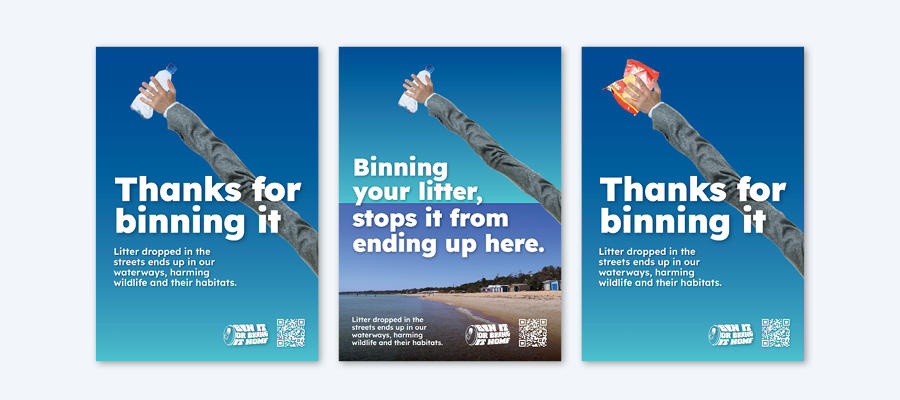
Melbourne Water’s Area Lead Community Programs, Leesa Riley, said the eight grant recipients will provide valuable insight and real-world testing of how the Litter Toolkit messaging can positively change people’s attitudes to littering.
"Litter is a shared responsibility, and these projects will empower communities to take practical action to reduce litter where it starts," Riley said.
“The research behind this campaign highlighted an awareness gap. Many people weren’t connecting litter dropped in the street or park with how it ends up in our waterways via the local stormwater system. By supporting councils and community groups to roll out the Toolkit, we’re helping deliver consistent messages that encourage people to bin their rubbish or take it home.”
Findings from the projects will help Melbourne Water understand how the Toolkit can be optimised to reduce litter across Melbourne’s waterways.
More information about the Litter Prevention Toolkit and how to get your community involved is available online.