Current
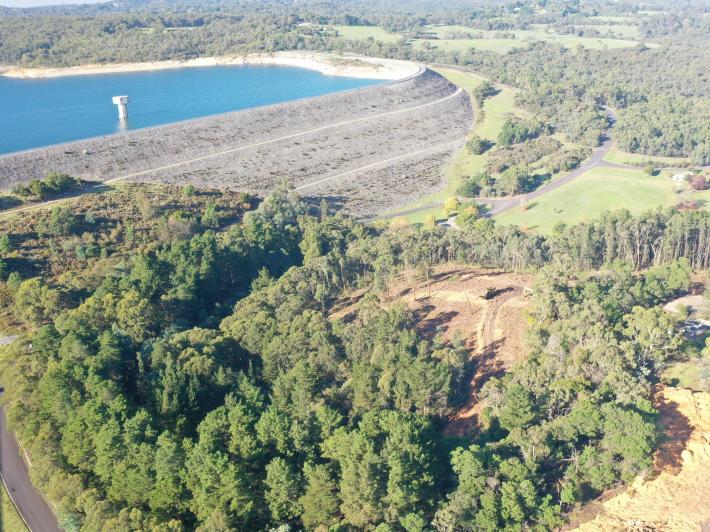
Cardinia Reservoir Park and access roads are now open following completion of essential pine tree removal works.
Selected pine trees have been removed from the Cardinia Reservoir Park and catchment to help stop the spread of an infestation of pest insect Giant pine scale.
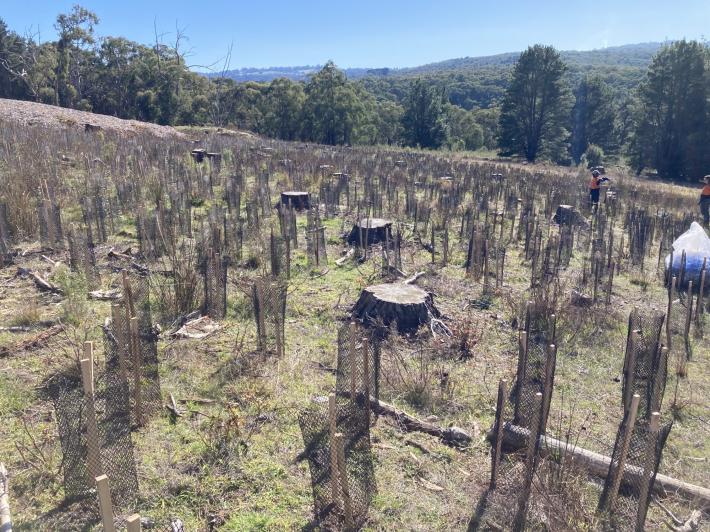
We are replanting the affected areas of the wider catchment with around 70,000 indigenous trees, plants and shrubs over three years. This will provide new habitat for native animals. Areas where the pine trees have been removed will look bare for a while until the regeneration program is complete and the new plants can develop.
These works will help protect Cardinia Reservoir and surrounding areas from further damage from giant pine scale and ensure the long-term biodiversity of the area.
What is Giant pine scale?
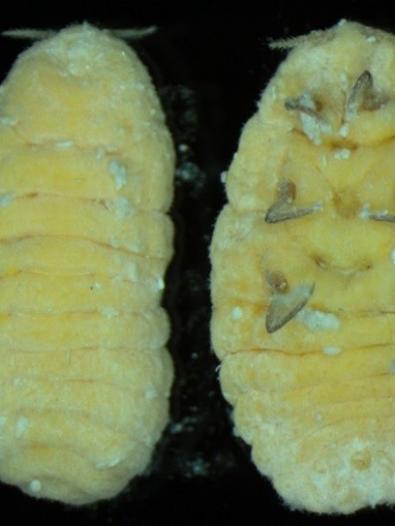
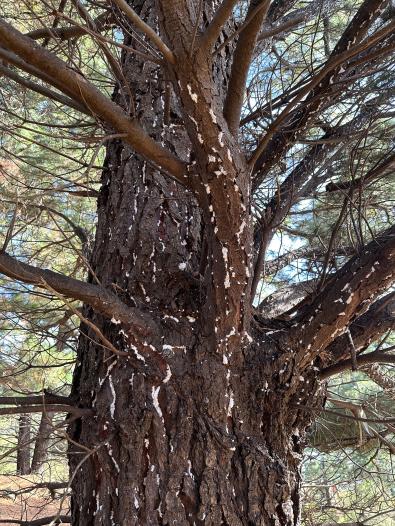
Giant pine scale (GPS) (Marchalina hellenica) is a pest scale insect that feeds on the sap of pine, fir and spruce trees and spreads by crawling to nearby host trees. Infested trees display a white wax secretion resembling cotton wool on the trunks and branches and will typically dry out and die as a result of the insects feeding on the tree’s sap. GPS is notoriously difficult to manage – the insects have no known predators in Australia and there are no effective chemical treatment options available. The best current management strategy is to safely remove infested trees.
Giant pine scale at Cardinia Reservoir
Giant pine scale was confirmed in Melbourne for the first time in 2014 and first detected in Cardinia Reservoir in 2017. Our varied efforts to contain this spread have had limited impact, with the estimated number of infested trees increasing to several thousand.
We anticipate all of these infested trees would die in the next 5 to 10 years if not removed earlier. Dying trees are a safety hazard as they increase the available fuel in the event of a bushfire, as well as having the potential to fall on land managers working in the catchment.
Removing pine trees infested with giant pine scale and those at risk from the Cardinia Reservoir catchment is the only currently effective option to manage the infestation and help prevent further spread across the region.
Safe tree removal and catchment replanting
Melbourne Water has worked closely with other agencies including the Department of Environment, Energy and Climate Action (DEECA) to build a Biosecurity Plan for safe treatment and removal of the pine trees.
The highest standard of equipment hygiene is being used to avoid spreading giant pine scale further within the catchment or surrounding area.
To ensure the long-term biodiversity of Cardinia Reservoir, the affected areas are being revegetated with a large-scale revegetation program of around 70,000 native plants and shrubs over three years.
By managing this infestation of giant pine scale, we continue to protect the biodiversity of our important forested catchments and supply the community with a safe and reliable water supply, now and for generations to come.

Tree removal works
June 2023 - work commenced in the western areas of the catchment to remove the infestation of giant pine scale
November 2024 - work commenced in the southern area of the catchment to remove giant pine scale and pine trees at risk to prevent further spread across the catchment and region.
July 2025 - planned burn of felled, stockpiled pine trees.
December 2025 - lane closure of Wellington Road for boundary pine tree removal works.
April - June 2026 - removal of infested trees from Cardinia Reservoir Park.
August 2026 - planned burn of felled, stockpiled pine trees.
October - December 2026 - removal of any remaining infested trees inside the catchment as identified.
Revegetation program
2025 - Revegetation program commences with 70,000 native trees, plants and shrubs to regenerate the affected areas of the catchment where pine trees have been removed.
Species are native to the local Ecological Vegetation Class (EVC) and are a mix of Eucalyptus, Banksia, Acacia, Allocasuarina and Pomaderis species.
More information on Cardinia Reservoir Park
Parks Victoria website - Cardinia Reservoir Park
Contact us
Melbourne Water via 131 722 or [email protected]