Melbourne’s water corporations are working hard with government and a range of other partners to secure our water supply. We are implementing water efficiency measures, investing in recycled water initiatives and harvesting more stormwater for reuse in irrigation and other fit-for-purpose uses.
Recycled water
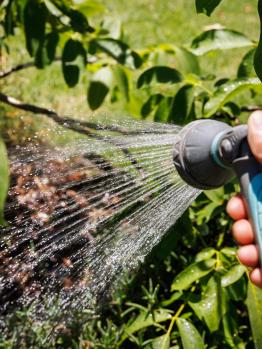
Melbourne Water produces the largest amount of Class A, or high-quality, recycled water in Australia, following strict regulatory guidelines.
Recycled water from our two sewage treatment plants is supplied to several water retailers, who then distribute it directly to customers for a range of non-drinking purposes, including:
- in residences with ‘purple pipes’ for non-drinking purposes like clothes washing, toilet flushing, garden watering and car washing,
- firefighting
- watering parks, gardens, and sports grounds
- farming and irrigation, the largest use for recycled water.
Using recycled water
We will continue to collaborate with the water industry to find ways to use recycled water.
New and emerging initiatives include:
- 'purple pipes', installed in homes and businesses for things like flushing toilets and watering gardens. More housing estates in Melbourne's growth corridors are now being built with these dual water pipe systems
- the Werribee System Reconfiguration Project – a whole of catchment approach looking at innovative ways to provide reliable, high quality recycled water for irrigating food crops, reducing demand on the Werribee River and freeing up 10GL of water for Traditional Owners, the environment, and for urban use.
Water retailers are also investing in local water recycling plants, which are further expanding the use of this water resource around our region.
An example of this is Greater Western Water’s Werribee Recycled Water Plant, which receives Class A recycled water from our Western Treatment Plant, applies reverse osmosis to remove salt from the water, improving the quality of the recycled water for additional non-drinking uses.
Using stormwater
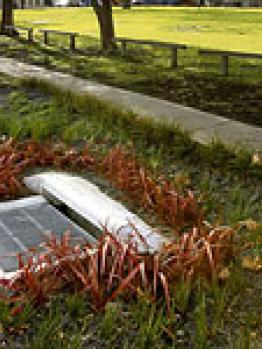
In a growing city with more hard surfaces like roads and roofs, the volume of stormwater entering our drains after rain is increasing. This makes stormwater an increasingly valuable water resource.
Stormwater can be collected, treated, stored and re-used for many purposes, including:
- watering sports grounds
- watering parks and gardens
- replenishing wetland habitats.
The water industry has set ambitious targets for increasing stormwater harvesting across the region. Melbourne Water is working with local councils and the water retail companies to expand the ways we harvest and re-use stormwater.
How stormwater is captured
and treated
Building a water sensitive city
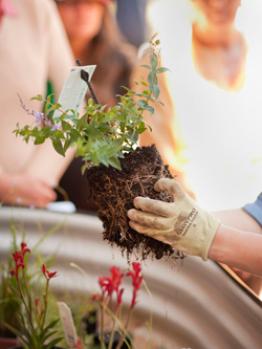
To build a city that is more water sensitive, the water industry is investing in more efficient and innovative water reuse systems at household, street, and large-scale development level.
Integrated water management (IWM) brings together agencies involved in all aspects of water resource management and policy. It contributes to our water security by using more alternative water sources in more innovative ways such as:
- recycling wastewater on site
- integrating smart technologies to more efficiently manage stormwater capture and reuse
- passive irrigation systems.
Know about
integrated water management
Desalinated water
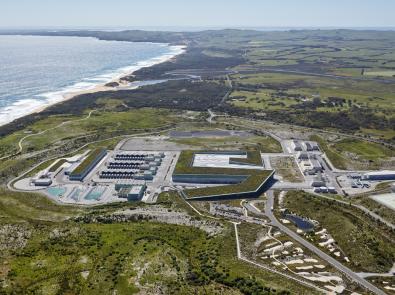
To complement all these water sector actions, our drinking water supply includes desalinated water from the Victorian Desalination Plant in Wonthaggi.
The Desalination Plant was built following the Millennium Drought to help meet the needs of our growing city and avoid the kind of harsh water restrictions that had a negative impact on our lifestyle and economy during that drought.
The Desalination Plant is the only source of water that isn't dependent on rainfall.
Groundwater
Groundwater is found below the earth’s surface in the pores and crevices of soil and rocks. It is considered an alternative to surface water, and has supplemented water supplies in some severely drought-affected areas in Victoria.
Bores and wells are used to extract groundwater from aquifers – underground layers of rock, gravel, sand or silt that allow water to pass through.
Groundwater is vulnerable to drought and climate change, so we manage and monitor how it is allocated.
You may also like...
Our water supply challenges
Population growth and climate change are creating a new normal for our water supply. Let's talk about the key issues.
Water Outlook
A summary of the state of Melbourne’s water availability for the year ahead, and our actions to secure a resilient, reliable water supply.
Guidance on using recycled water, rainwater, greywater and groundwater in the home, from the Department of Environment, Land, Water and Planning.